
Climate change represents a significant threat to human health, increasing populations’ vulnerability alongside the coexisting geopolitical, energy, and cost-of-living crises. Between 2030 and 2050, the World Health Organization (WHO) estimates that climate change will cause approximately 250,000 additional deaths per year from malnutrition, malaria, diarrhoea, and heat stress alone.
While everyone is exposed to the effects of climate change, some groups are more severely affected or are particularly susceptible to its negative health impacts.
Impact of climate change on women’s health and consequences for children
According to the WHO (WHO, 2014; ACOG policy statement) and the American College of Obstetricians and Gynecologists 2016, women are at greater risk due to biological, political and cultural factors. Particularly in low- and middle-income countries (LMICs), women disproportionately bear the impacts of climate change because of their gendered roles, socioeconomic status, and systemic inequalities.
In addition, small studies conducted in rural and remote areas of high-income countries (HICs) indicate that gender inequality varies between rural and urban settings, highlighting the need for further research to examine how women living in urban areas are affected by climate change.
Heat Impacts
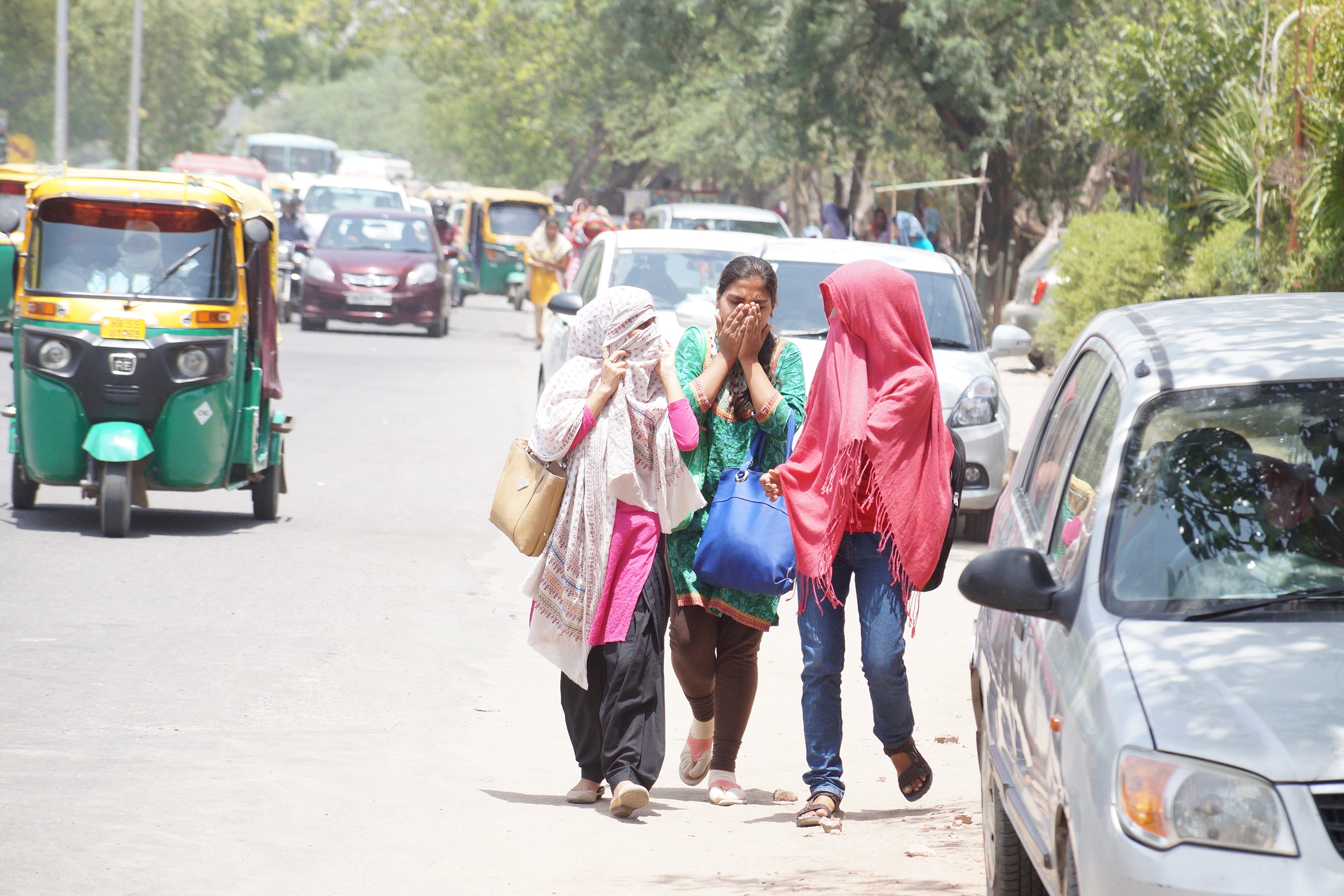
The health impacts of rising temperatures are already evident, with global increases in heat-related mortality over the past 15 years. Women, particularly older women and those who are pregnant, experience a greater burden of heat-related health impacts.
Women differ from men in their physiological responses to elevated temperatures, contributing to their biological vulnerability. They dissipate less heat through sweating, have a higher working metabolic rate, and possess thicker subcutaneous fat, which reduces radiative cooling.
Cultural factors also increase vulnerability. These include limited access to healthcare and cooling facilities due to personal safety concerns and lack of personal transport, culturally prescribed heavy clothing that limits evaporative cooling, and insufficient awareness among local, national, and global decision makers, as well as healthcare professionals, of women’s heightened vulnerability to heat.
Pregnancy further increases susceptibility. Prolonged exposure to high temperatures is associated with stillbirth, congenital birth defects, and preterm delivery, regardless of maternal ethnicity or age, although younger mothers face an even greater risk of adverse outcomes. High ambient temperatures are also linked to pregnancy complications, including gestational hypertension, pre-eclampsia, and poor neonatal outcomes.
Air Quality
Rising atmospheric carbon dioxide (CO2) concentrations, increasing temperatures, and changing precipitation patterns contribute to poorer outdoor air quality, which in turn negatively affects human health. Physiologically, ozone and fine particulate matter (PM2.5) inflame the airways and enter the bloodstream, where they cause endothelial cell dysfunction and oxidative injury, exacerbating cardiopulmonary diseases and contributing to premature death.
The pulmonary deposition of inhaled particles differs between men and women, with women demonstrating higher levels of particle deposition. Additionally, women are at greater risk of cardiovascular complications because the intima-media thickness of their arteries is significantly correlated with ambient PM2.5 levels, whereas this association is not observed in men. Furthermore, women may be more hematologically sensitive to the toxic effects of airborne pollution because they experience higher rates of anemia.
Ambient air pollution has also been linked to congenital birth defects, stillbirth, and intrauterine growth restriction. These effects may result from placental hypoxia or the direct toxic effects of air pollutants.
Food insecurity and malnutrition
Women are inherently more vulnerable to the effects of food insecurity and nutritional deficiencies because of their increased nutritional requirements during menstruation, pregnancy, and breastfeeding. Nutritional scarcity may also be exacerbated by cultural practices that prioritise food allocation to children and adult men.
Micronutrient deficiencies are associated with cognitive impairments, including reduced attention span, diminished working memory, emotional and behavioural difficulties, and impaired sensory perception, all of which contribute to poorer educational outcomes.
Maternal undernutrition has profound effects on fetal and neonatal development and is associated with intrauterine growth restriction, pregnancy complications, and perinatal mortality. According to the Food and Agriculture Organisation (FAO), in areas where iron-deficiency anaemia is prevalent, women’s risk of dying during childbirth increases by approximately 20%.
Disaster-Related Impacts
Women of all ages are more likely than men to be calorie-deficient, resulting in poorer physical health and greater vulnerability to the resource shortages that often follow climate-related disasters. Poor baseline nutritional status and overall health may also reduce their ability to escape and survive during the acute phase of a disaster.
Women who give birth in the period following a disaster are at increased risk of complications, including pre-eclampsia, uterine haemorrhage, and delivering infants with low birth weight.
Disaster-related impacts are not limited to health
In 2014, the WHO reported that women are more likely than men to die during cyclones and floods. In 1991, cyclones in Bangladesh killed approximately 140,000 people, of whom 90% were women. Similarly, when Cyclone Nargis struck Mayanmar in 2008, women accounted for approximately 61% of the 130,000 deaths. Gender differences in mortality are even greater among women from lower socioeconomic backgrounds.
Cultural factors further contribute to vulnerability, as women are often expected to remain at home caring for children and older relatives while waiting for family members to return or assist with evacuation. Lower levels of literacy and education may also limit access to vital information. If public warnings fail to consider women’s access to information or the fact that women living in remote areas may only speak minority languages, they may be unable to take appropriate action to protect themselves.
Following climate-driven disasters, women and girls, particularly older women and those living in poverty, face an increased risk of physical, sexual, and domestic violence. Many become separated from family, friends, and support networks and may avoid emergency shelters due to fear of abuse. Poor women, single women, older women, adolescent girls, and women with disabilities are often at greatest risk because they have fewer personal, family, economic, and educational resources available to support their recovery and protection.
Conclusion
Low- and middle-income countries face significant social, geographical, political, and environmental challenges that increase the vulnerability of their populations to climate change, with women disproportionately affected. The intersection of climate change and maternal and neonatal health across Africa, Asia, and South America presents a critical public health challenge. Increasingly frequent and severe heatwaves in these regions are associated with higher risks of preterm births, low birth weight, and stillbirth.
These findings highlight the urgent need for gender-sensitive climate adaptation strategies and policymaking that address the distinct health risks faced by women and children, while also tackling the broader social and structural inequalities that contribute to their vulnerability.
Véronique Ropion
Director of Business Strategy, Marketing, and Corporate Communication, Pharmalys Ltd
Sources:
- Anjum G. & Aziz M. Climate change and gendered vulnerability: A systematic review of women’s health. Women’s Health Volume 21: 1–22.
- Conway F, Portela A, Filippi V, Chou D, Kovats S. Climate change, air pollution and maternal and newborn health: An overview of reviews of health outcomes. J Glob Health 2024;14:04128.
- Desai, Z., & Zhang, Y. (2021). Climate change and women’s health: A scoping review. GeoHealth, 5, e2021GH000386. https://doi.org/10.1029/2021GH000386
- Sorensen, C., Saunik, S., Sehgal, M., Tewary, A., Govindan, M., Lemery, J., & Balbus, J. (2018). Climate change and women’s health: Impacts and opportunities in India. GeoHealth, 2, 283–297. https://doi.org/10.1029/ 2018GH000163