
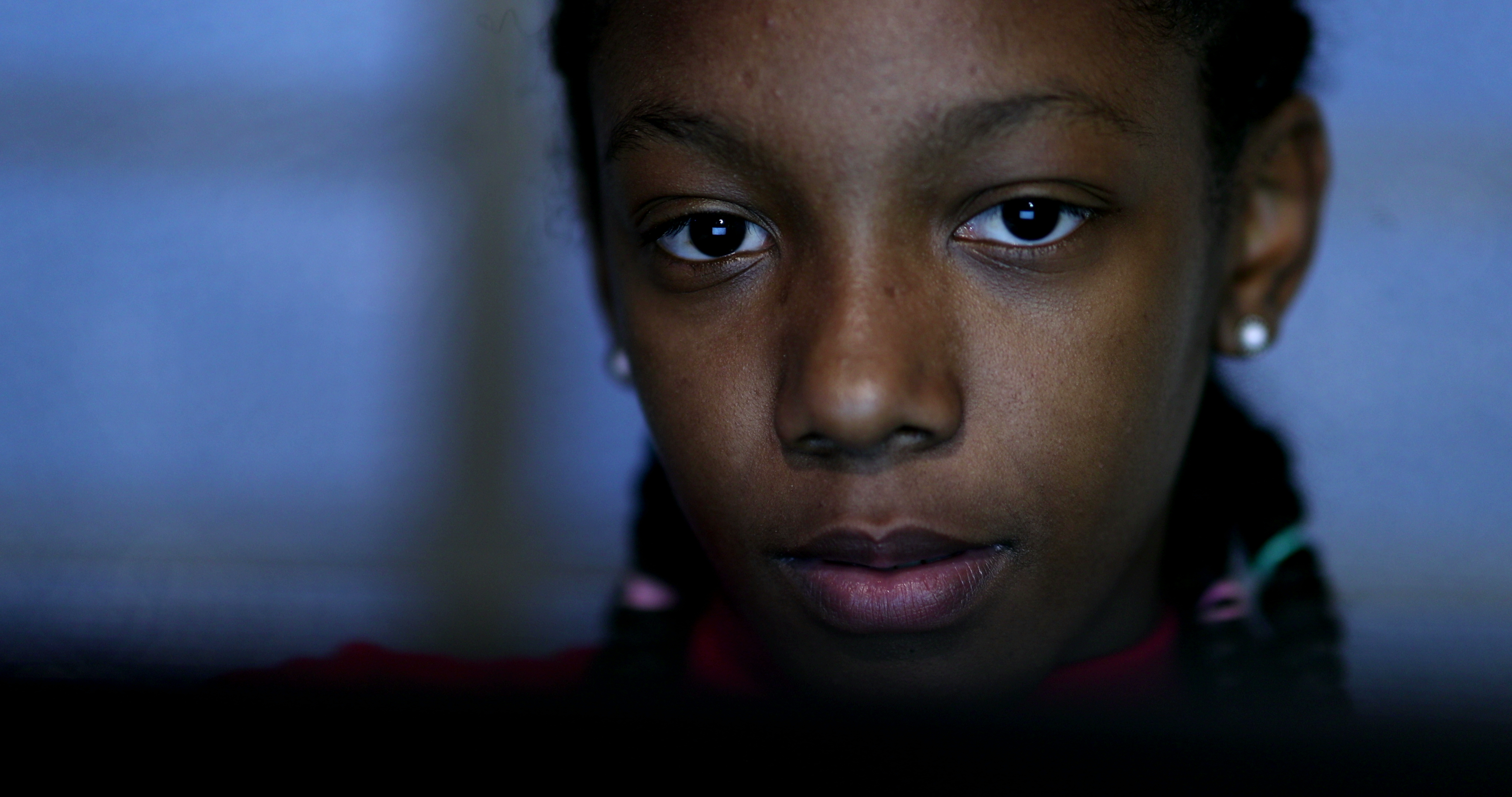
Adolescence is a time of pronounced physiological, social and emotional transition; a formative period that shapes health and well-being throughout the life course. Several lifelong risk factors put children and adolescents at risk of mental disorders. Globally, one in seven adolescents experiences mental health conditions, which often go undiagnosed and untreated. This is of urgent concern in low- and middle-income countries (LMICs), where resources to detect and treat mental health concerns among children and adolescents are limited.
Adolescents in Sub-Saharan Africa: notions of context
In Sub-Saharan Africa (SSA), adolescents aged 10-19 constitute 23% (256 million) of the population. They are the fastest growing adolescent population in the world, predicted to reach 435 million by 2050. In addition to developmental changes, adolescents in SSA face several major health and socioeconomic challenges. HIV/AIDS is the leading cause of death among adolescents across the continent, and as of 2022, SSA has the highest rate of adolescent pregnancies in the world (109 births per thousand adolescent girls aged 10–19 versus the global average of 42).
Approximately one in every two adolescents in SSA grows up in environments of poverty, with 55% experiencing moderate to severe food insecurity. About 50% of the region has experienced conflict and violence, which directly affects adolescents, as they form a large proportion of those who are killed, raped, or injured in violent conflicts. Displacement, conflict, and HIV/AIDS also impact young people’s access to educational opportunities. SSA has the highest rates of education exclusion, with more than 33% of 12-14 year olds and 60% of 15-17 year olds out of school.
Rapid urbanisation has led to a sharp increase in urban slums, where many adolescents live in extreme poverty. Due to weak economic growth and legislation, twice as many young people as adults are unemployed. These challenges increase vulnerability to mental health problems among adolescents in SSA. Mental ill health, in turn, may increase the likelihood of adolescents engaging in risky behaviours leading to injuries, HIV/AIDS, sexually transmitted diseases, and teenage pregnancies, thus sustaining this vicious cycle.
Adolescents’ mental health in Sub-Saharan Africa
In the region, 27% of 10–19 year-olds experience depression, 30% suffer from anxiety disorders, 41% have emotional and behavioural problems, and 12% report suicidal ideation. Post-traumatic stress disorder (PTSD) is estimated at 21%.
In addition, in 2020, there were 0.1 psychiatrists and 0.2 health workers for children and adolescents per 100,000 population in the African Region, compared with 9.7 psychiatrists and 12.5 health workers for the same population in the European region.
It is estimated that, by 2050, all SSA regions will experience a 130% increase in the burden of disease associated with mental disorders. In this context, it is crucial that adolescents’ mental health in SSA is prioritised.
Traditional healers may delay the treatment of mental illnesses
Almost half of the African population prefers consulting traditional and faith healers for treatment of mental illnesses before accessing formal healthcare. As mental illnesses are often attributed to sorcery or displeased ancestral spirits, patients are directed towards traditional mental health care. In Nigeria, prayer houses or faith healing centres were the first point of contact for 23%, and traditional healers for 7% of children and adolescents, the majority of whom were referred by relatives, family and friends (91%).
Traditional healers can effectively deliver psychosocial interventions that reduce mild depressive and anxiety symptoms; however, they are unable to alter the course of severe mental illness. Conversely, accessing these forms of care can lead to delayed initiation of formal treatment, subsequent worsening of symptoms, and other negative outcomes such as poisoning and, in some cases, death caused by misidentification of a “medicinal” plant.
Initiatives and policies are being developed across SSA
The Integrated Approach to Addressing the Challenge of Depression among the Youth (IACD) and Shamiri, a group intervention for adolescent anxiety and depression, are examples of school- and community-based interventions. The IACD in Malawi and Tanzania was successful in enhancing mental health literacy in communities and schools and improving access to effective mental health care for young people with depression. This was achieved by building the capacity of teachers and community healthcare providers to identify depression and by linking schools to community health clinics.
Shamiri was a protocol delivered by non-specialists in a school setting in Kenya. The intervention showed significant improvements in depression, anxiety and academic grades among adolescents.
11 of the 48 SSA countries have developed and tested interventions addressing adolescent trauma (including orphanhood, exposure to war, or child abuse).
More recently, the Youth Friendship Bench initiative in Zimbabwe, originally a peer-delivered problem-solving intervention designed for adults, was adapted for adolescents using:
- delivery by trained students from local communities
- Implementation in schools and community settings in addition to clinics
- targeted outreach to marginalised youth (pregnant teenagers and young offenders)
- community awareness activities to reduce stigma around mental health problems
Intervention programmes such as the VUKA Family Programme in South Africa and the Families Matter! Programme, which promote health and mental health in adolescents living with HIV, were delivered to family and community members over weekly sessions to increase guidance and support for adolescents. Results showed improvements in mental health, HIV treatment literacy, stigma reduction, communication, and medication adherence among participants.
With Botswana and Mozambique leading the way in the early 2000s, today 13 of the 48 (13%) SSA countries have a standalone or integrated adolescent mental health policy or plan, 37% (18 countries) offer free mental health services to adolescents, and 12% (6 countries) offer mental health services without the need for parental consent.
There is still much more to do
Addressing adolescents’ mental health needs in SSA requires a multi-level, coordinated approach based on the social-ecological framework for mental health and well-being. By focusing on the individual, interpersonal, community, and societal levels, a more integrated, inclusive, and sustainable mental health system can be created. With the current treatment gap estimated at 90% and predictions indicating a potential 130% increase in the burden of mental disorders in SSA by 2050, increased funding and immediate action to establish healthier mental health pathways during adolescence are critical. With a clear focus on adolescence as a pivotal period for intervention, collaborative efforts across governments, communities, and international bodies can help bridge the mental health treatment gap and improve the well-being of future generations in SSA.
Véronique Ropion
Director of Business Strategy, Marketing & Corporate Communication, Pharmalys Ltd
Sources:
- Baumann S.E., Devkota B. Multilevel Interventions to Improve Adolescent Mental Health in Low- and Middle-Income Countries. AJPH, OPINIONS, IDEAS, & PRACTICE. Editorial.
- Hart C, Norris S.A. Adolescent mental health in sub-Saharan Africa: crisis? What crisis? Solution? What solution? GLOBAL HEALTH ACTION 2025, VOL. 17, 2437883 https://doi.org/10.1080/16549716.2024.2437883
- Sequeira M. et al. Adolescent Health Series: The status of adolescent mental health research, practice and policy in sub-Saharan Africa: A narrative review. Trop Med Int Health. 2022;27:758–766.